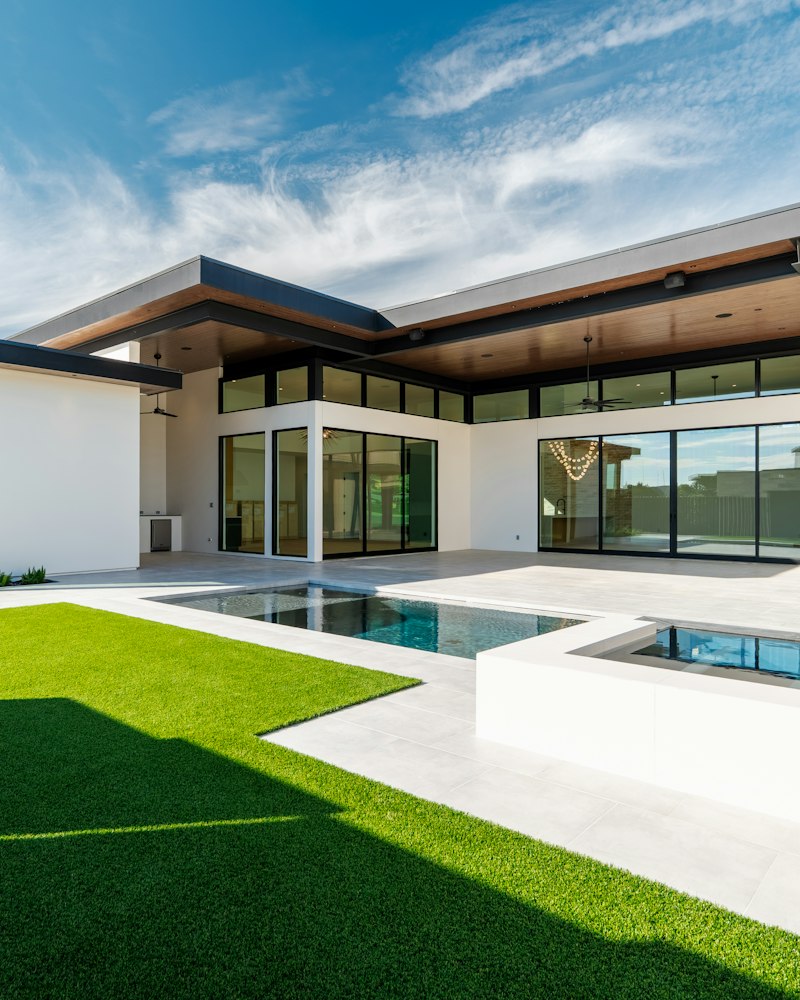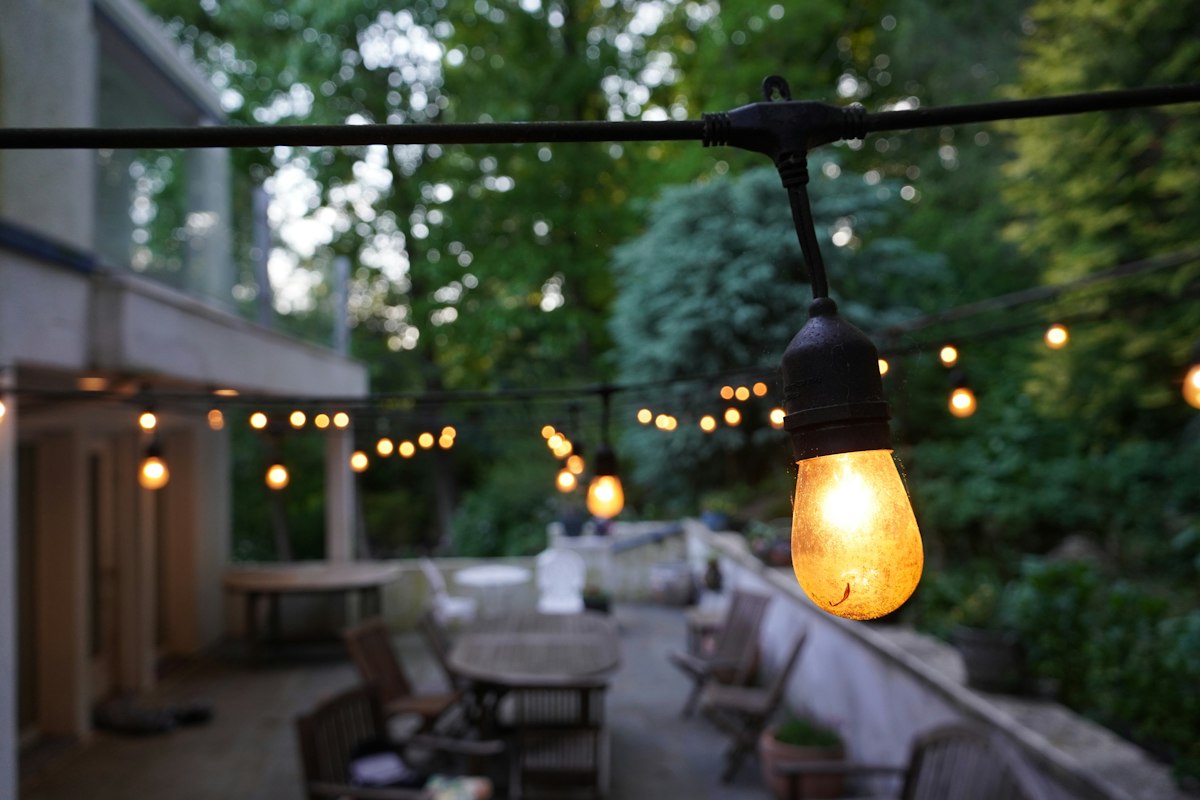
Forecasters across the Bay Area are expecting a wetter-than-normal winter this year. For most homeowners, the first sign of trouble isn't a forecast. It's the morning after the first big storm: a lawn that squishes, a patio with a puddle that won't leave, mulch spread across the walkway.
The good news: most of these problems give you warning signs well before they turn into damage. Here's what to look for, what each sign usually means, and how we fix it in a way that adds to your yard instead of cutting a trench through it.
What a wet winter means for East Bay yards
A lot of East Bay homes sit on clay soil, on a slope, or both. Clay drains slowly, so water sits near the surface instead of soaking in. Slopes send that water downhill, toward the house, the patio, or the neighbor's yard. Add a few back-to-back storms and the ground stays saturated for weeks.
That's when small issues show up as big ones: walls start to lean, pavers settle, and water finds its way toward the foundation. None of this happens overnight, which is exactly why now, before the heavy rain, is the time to look.
5 signs your yard isn't ready for heavy rain
1. Water pools on the lawn or patio and stays for hours
Standing water after a storm means the ground or the surface isn't sloped to move water away, or the soil can't absorb it fast enough. On a patio it usually means the surface was never pitched correctly. The fix is often a combination of regrading, a hidden drain line, and in some cases permeable pavers that let water pass through the joints into the base below.
2. Soil, mulch or bark washes onto your walkways
If your beds empty themselves onto the path every time it rains, water is moving across the surface too fast. Deep-rooted planting, a stone border, or a dry creek bed that gives the water a path to follow will slow it down and keep the soil where it belongs.
3. A damp crawlspace or water against the foundation
This one matters most. Downspouts that dump right next to the house, or ground that slopes toward the foundation, will push water where you least want it. Extending downspouts into a buried line and grading the soil away from the house are some of the highest-value fixes in any yard.
4. Pavers sinking or concrete cracking
Pavers and concrete are only as good as what's underneath. When the base wasn't deep enough or wasn't compacted properly, water softens it and the surface starts to dip, rock or crack. If you're seeing low spots that hold water, the base is usually the problem, not the pavers.
5. A retaining wall that leans, bulges or weeps mud
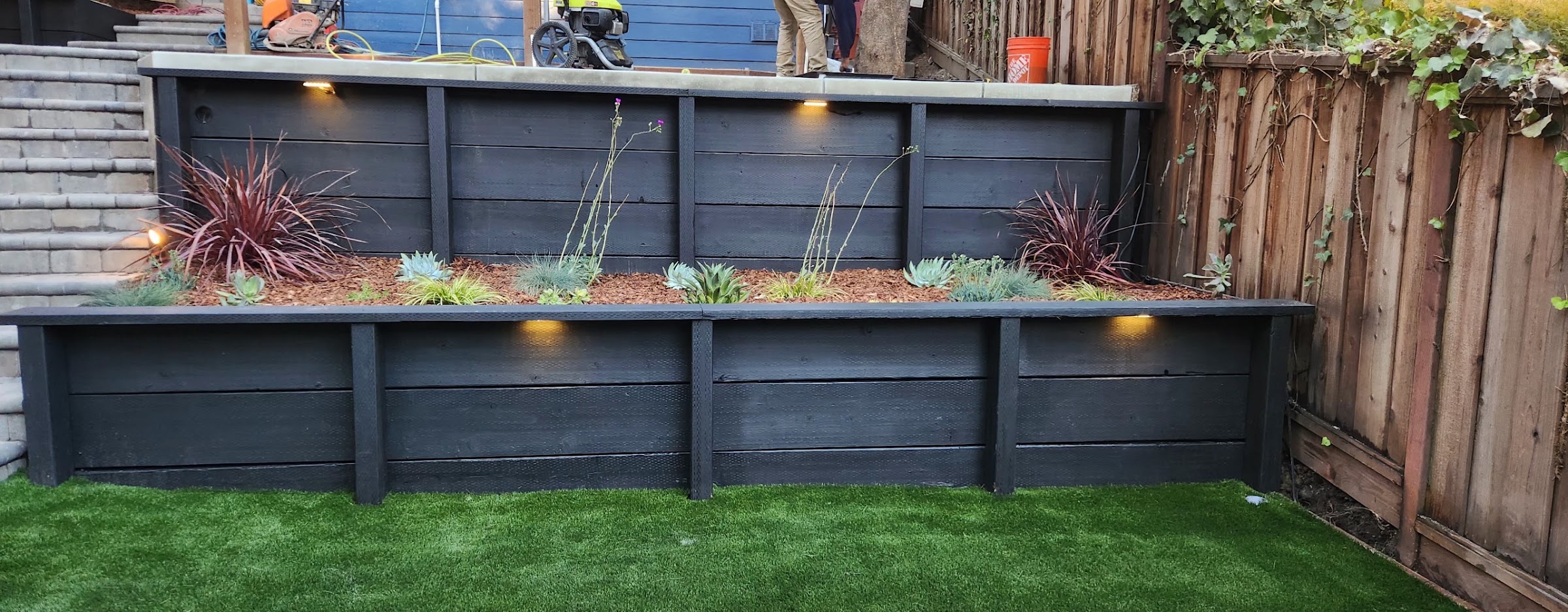
A retaining wall holds back soil, and wet soil is heavy. Walls built without drainage behind them (gravel backfill, a perforated drain at the base, and somewhere for that water to go) take on more pressure every storm. A wall that leans, bulges or leaks muddy water at the base needs a look before winter, not after.
Features that look beautiful and handle the rain
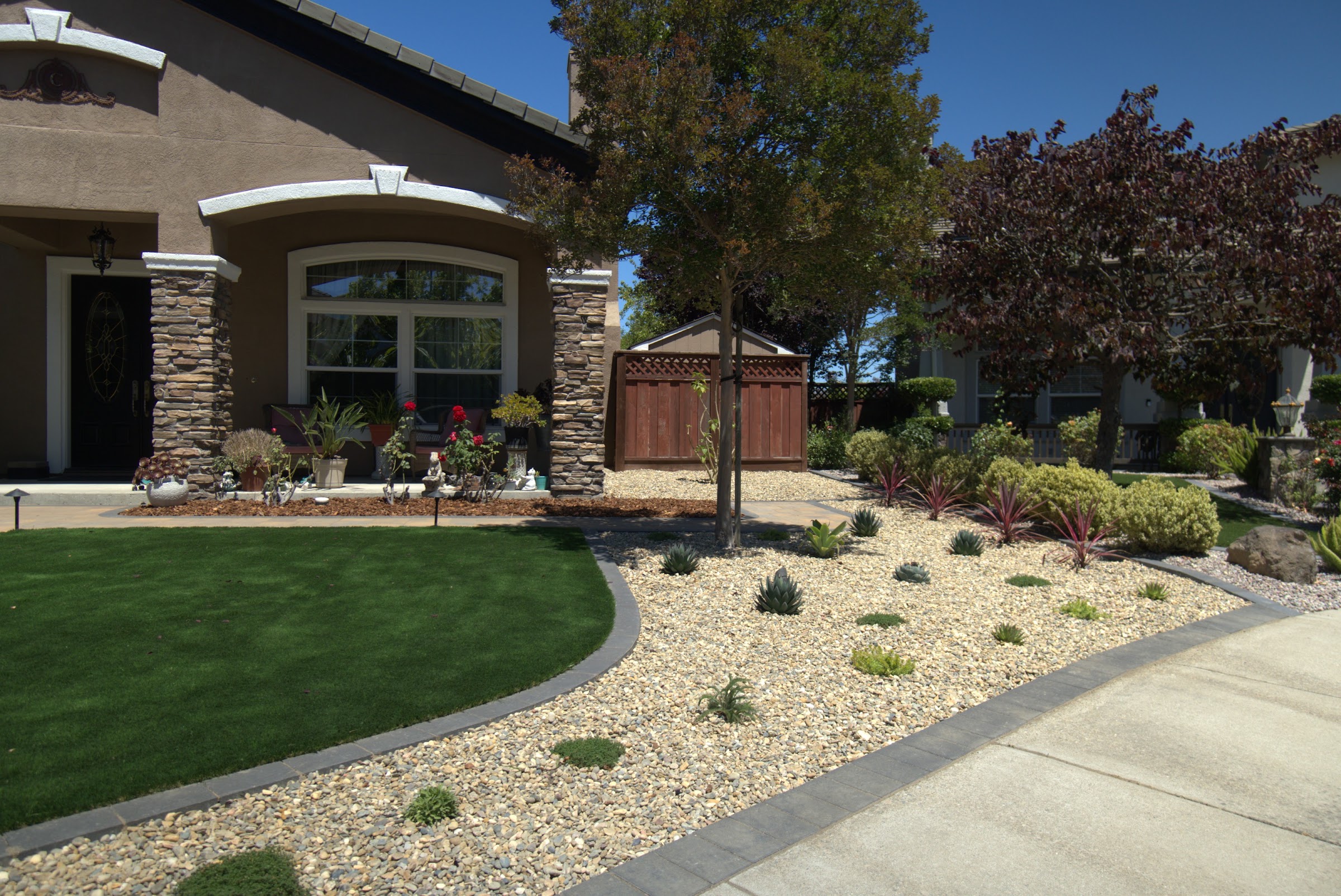
A yard built for wet winters shouldn't look like infrastructure. The features that move and hold water can be some of the best-looking parts of the yard:
- Dry creek beds: river rock and boulders shaped like a natural streambed that carry water across the yard in winter and look like a landscape feature all summer.
- Rain gardens: a planted low spot that collects runoff and lets it soak in slowly, using plants that are happy with wet feet in winter and dry summers.
- Permeable pavers: a patio or driveway that lets water drain through instead of running off.
- Planting and stone borders that slow water down and keep soil in place on slopes.
On a well-designed project, how water moves is planned from the first sketch, together with the patio, walls, lawn and planting, not added after the first storm. See how that comes together in our recent projects.
Why what's underneath matters more than what you see
Two patios can look identical on day one. Five winters later, one is flat and the other has low spots, rocking pavers and puddles. The difference is almost always below the surface: the depth of the base rock, how well it was compacted, and whether the surface was pitched to move water.
It's the same with turf, walls and walkways. That's why we spend so much of every project on the parts you'll never see. They're what make the parts you do see last.

A 20-minute check you can do this weekend
- Walk the yard during or right after the next rain. Note where water collects and where it flows.
- Follow every downspout. Does the water end up at least a few feet from the house?
- Look at the base of any retaining wall for leaning, bulging or muddy water.
- Check patios and walkways for low spots, rocking pavers or new cracks.
- Clear leaves from gutters, drains and any grates before the storms arrive.
- Take photos. They make it much easier to plan a fix later.
If you're planning a bigger change to the yard anyway, this is the perfect time to see how the water really behaves, so the design can solve it from the start. Not sure what style fits you? Take the 1-minute Dreamscape Quiz.
Frequently asked questions
Can I improve an existing yard without tearing everything out?
Often, yes. Many improvements, like extending downspouts into a buried line, regrading a section, or turning a soggy corner into a dry creek bed or planted bed, can be done in targeted areas as part of a larger design. A walk-through shows what's needed and what can stay.
Is a dry creek bed just for looks?
No. A well-built dry creek bed is a working drainage channel. It's shaped and lined to carry water during storms and looks like a natural feature the rest of the year.
Should I wait until spring to start my project?
Winter is the best time to plan, because you can see how your yard really behaves in the rain. Many homeowners use the rainy season to design, then build in spring. If water is reaching the foundation or a wall is moving, don't wait.
Do artificial turf and pavers make drainage worse?
Not when they're built right. Turf and permeable pavers both sit on a base designed to let water drain through. Problems come from shortcuts in the base, not from the materials themselves.
Planning a backyard built for every season?
If you're planning a new patio, retaining wall or full backyard, the rainy season is the perfect time to design it. Start with a Discovery Consultation. We'll talk through how you want to use the space and, if we're a fit, walk the yard with you and show you what's possible. You can also see how we work, from design to the final walkthrough, on our process page.

One outdoor living idea a week, straight to your inbox.
New guides, real East Bay projects and planning advice from the JAC Dreamscapes team. Every Thursday morning. Unsubscribe anytime.