Mission San Jose · Niles · Centerville · Irvington · Warm Springs · North Fremont
Schedule a Discovery ConsultationFremont was not built as one town. It was formed in 1956 when Centerville, Irvington, Mission San Jose, Niles and Warm Springs joined into a single city, and you can still feel the difference between them.
Niles has its small-town main street and canyon setting. Mission San Jose sits near the eastern hills, with Mission Peak above. Centerville and Irvington grew up around their own town centers, and Warm Springs anchors the south end of the city.
We design and build outdoor living spaces for homeowners across Fremont, and we plan each one around the part of town it is in: the soil, the slope, the heat and the architecture of the house.
Our design and planning phase comes before any digging. You see the full layout, materials and lighting plan first, so the finished yard matches what you pictured.
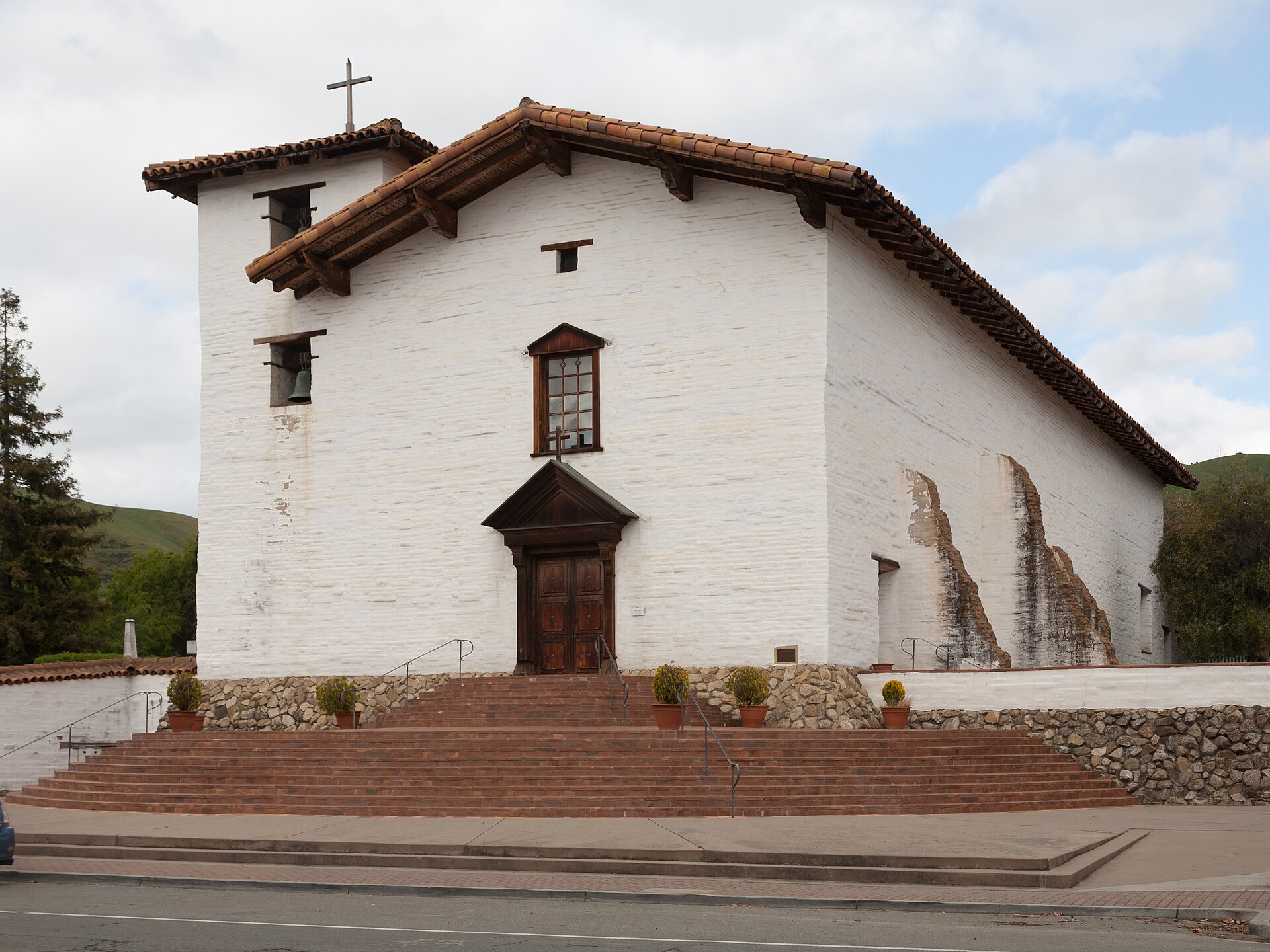
Mission San Jose in Fremont. Photo: King of Hearts, CC BY-SA 3.0
Fremont is a city with a lot of outdoor life close to home. Central Park wraps around Lake Elizabeth in the middle of town. Mission Peak rises over the Hill Area on the eastern edge. Coyote Hills Regional Park borders North Fremont, and Ardenwood Historic Farm keeps a piece of the area's farming past alive.
On weekends, Niles Boulevard fills with people browsing antique shops and restaurants, and the Niles Canyon Railway runs excursion trains through the canyon. It is easy to see why so many Fremont families want a backyard that is just as good as the places they go on the weekend.
With more than 230,000 residents at the 2020 census, Fremont is one of the largest cities in the Bay Area, yet each district still keeps a neighborhood scale. Niles alone has about a dozen antique stores, shops and restaurants within a few blocks, and weekend train rides through the canyon take about an hour and a half round trip.
Mission San José was founded by Father Fermín Lasuén on June 11, 1797, as the 14th Spanish mission in California. The 1868 earthquake on the Hayward Fault shattered the adobe church. A careful reconstruction was completed and rededicated on June 11, 1985, and today the church serves as a chapel of St. Joseph parish, with a museum on site at 43300 Mission Boulevard.
A century later, Niles had its own moment. From 1912 to 1916 it was the West Coast home of Essanay Studios, and Charlie Chaplin filmed several pictures there, including The Tramp. The Niles Essanay Silent Film Museum keeps that history on view.
In 1956 the five towns voted to become one city. Each kept its own character, which is why a backyard in Niles can feel completely different from one in Warm Springs.
Most Fremont yards we see are mid-size lots with a lot of potential. Good design turns a single patio into several connected spaces: a place to cook, a place to eat and a place to relax.
Answer five quick questions and see the features and projects built for the way you live.
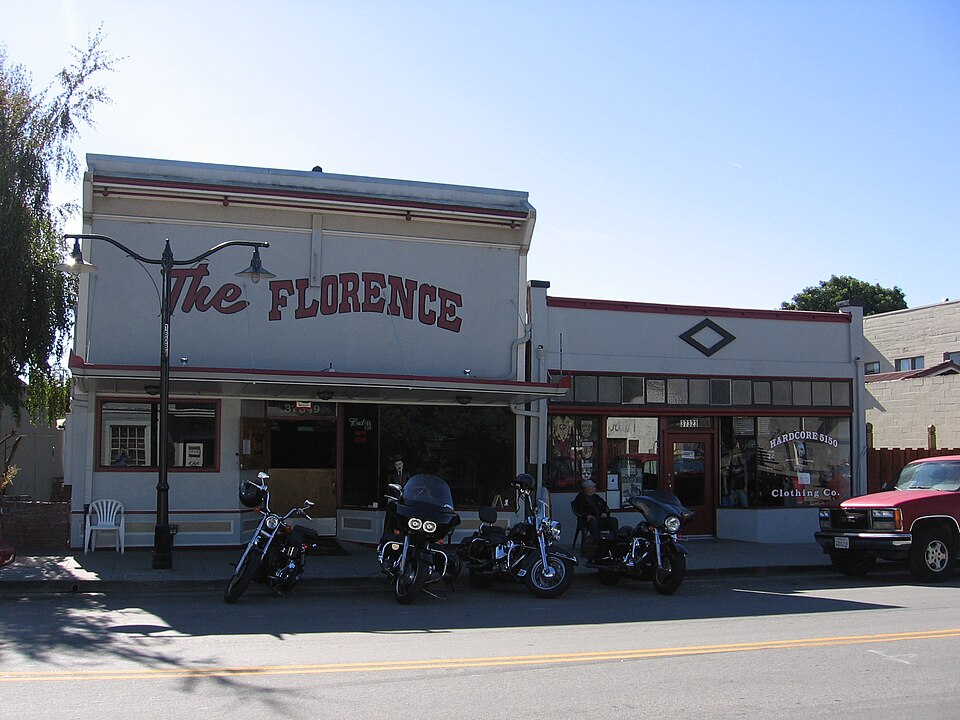
Niles Boulevard in Fremont's Niles district. Photo: Pedro Xing, CC0
Fremont gets about 17 inches of rain a year with dry summers, and its record high is 110°F, set in September 2022. Shade and heat-tolerant materials matter here. The Hayward Fault, source of the 1868 earthquake, runs through the city, so walls and covered structures near it deserve sound engineering.
Homes in the eastern Hill Area may be affected by the Hill Area Initiative that Fremont voters passed in 2002, which shapes development on the hillsides. Hillside lots can also bring slope, drainage and fire hazard zone considerations. Permits go through the City of Fremont. We confirm what applies to your property during planning.
Every project begins with a discovery consultation. We learn about your home, your goals and how you want to live outside, then recommend the right next step.
Schedule a Discovery ConsultationYes. We design and build for homeowners in Mission San Jose, Niles, Centerville, Irvington, Warm Springs and North Fremont.
Hillside lots usually need more planning for grading, retaining walls and drainage. Some Hill Area properties also have added rules from the 2002 Hill Area Initiative. We work through that in design.
Shade structures, lighter-colored paving, smart plant placement and efficient irrigation. We design for the hottest afternoons, not just mild days.
Yes. We choose materials and details that suit older architecture, like natural stone, brick-toned pavers and simple metal work.
For many families it is, especially for play areas. We pair it with real planting so the yard still feels alive.
We plan for permits as part of our design and planning phase and coordinate with the City of Fremont when a permit is needed.
At your Discovery Consultation we walk the yard, listen to your goals and explain our four-step process.